
The holidays at the Williams household were a good one. We stayed local for Christmas, followed by a short trip to see family—a perfect balance, just enough to feel fulfilled without feeling frantic. Because of how the break fell on the calendar, I even had a full weekend to myself before heading back to the office. I would call the holidays small wins in life. I was satisfied.
And then—January hit.
Within days, I was back in it: a project interview, four RFPs, and heavy national events unfolding right in my own city. The pace was relentless. It was in that moment—when everything felt compressed and overwhelming—that I realized how much small wins in life matter, especially when circumstances are beyond our control.
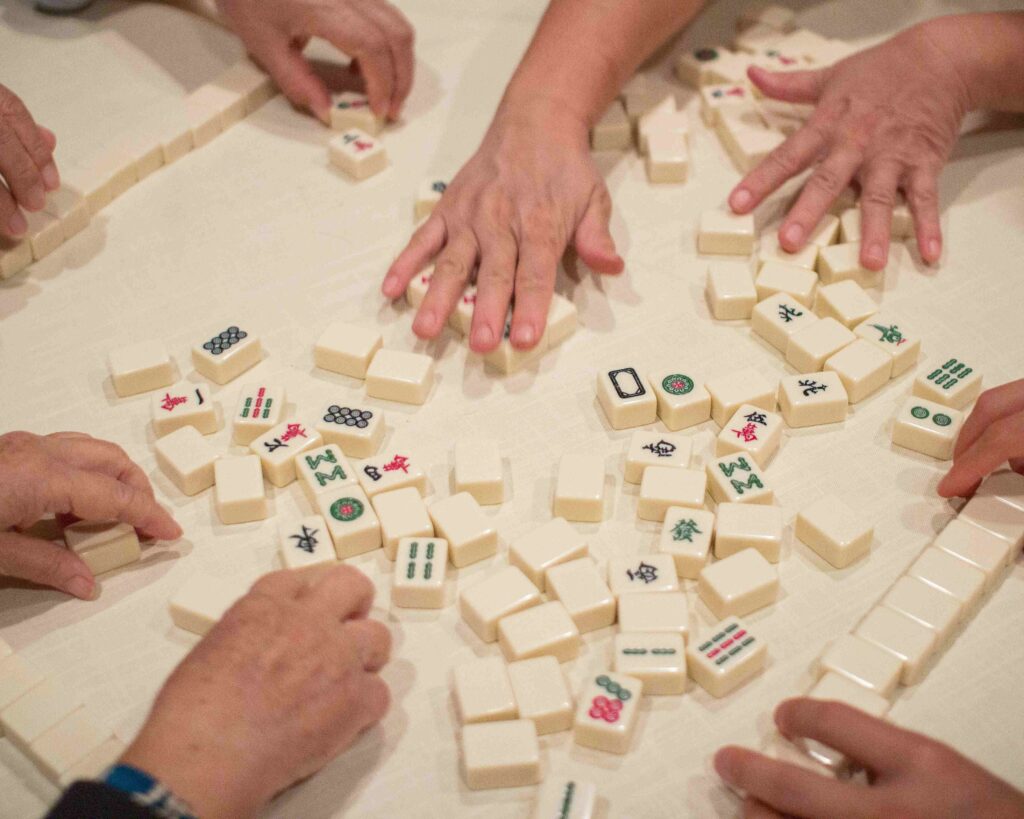
On top of that, back in November, I had signed up for something that felt inspirational at the time: a four-week Mahjong class for women at my daughters’ school.
In November, January felt easy.
In January, it felt impossible.
The class was moderately priced. It would have been easy—reasonable, even—to bow out. But it was something I had wanted to learn for years. More importantly, I had committed myself. I’ve written before about how rebuilding momentum often starts smaller—and quieter—than we expect, especially after a demanding or disruptive season. So no matter how tired or overwhelmed I was, I showed up.
For four straight weeks, I arrived at 6:30 p.m. and stayed for three hours. Mahjong is a beautiful game, but its complexity is humbling. The rules are precise. The system is shared. You don’t get to improvise until you respect the framework.
That lesson landed quickly. In seasons like this, I’ve come to believe that small wins in life often begin with simply understanding the framework and choosing to stay in the game.
Learning the Rules Before Breaking Them
You don’t need to know everything at first—but you do need a baseline. The rules create order. Without them, the game falls apart. Once the framework is understood, strategy and creativity can emerge. Mahjong is a structured game with nationally standardized rules through the National Mahjong League.
This applies far beyond Mahjong.
In life and work, constantly pushing against the system only creates frustration. Progress begins when you accept the basic assumptions and build from there.
When Learning Feels Messy
Week one went well. I was paired with a quiet partner – observant, restrained. She pointed, smiled, and gestured. Our rhythm worked. Learning felt Joyful.
Week two unraveled me.
My new partner processed out loud. The instructor was offering tips. Multiple voices filled the space. I couldn’t hold the suits’ names or recognize patterns. I regressed completely. My head throbbed. I left early – so disoriented I started my car before I reached it – something I never do.
I told myself, “I learn better on my own.”
Week, three tested that theory.
I arrived late and took the only open seat – solo. No partner. No buffer. I was slower than anyone else. The other women had clearly built momentum. I hadn’t. When the instructor said, “Give her a break – she’s alone,” I felt exposed and defeated.
So which is it?
Too many voices – or not enough?
Partnered – or solo?
Neither felt like the answer.
A Small Win
By the final night, my expectations were low. I hadn’t even bought my own Mahjong set or card yet—something players typically do early on. We played in a smaller group, each on our own, at a slower pace. And something shifted.
For the first time, I could see options.
I could choose a direction.
I stayed offensive, not defensive.
Earlier that same week, I’d attended a creative writing salon where the prompt was a time you won. The overlap wasn’t lost on me.
This time, when the tiles moved, I understood what I was building toward. When the rhythm slowed, I stayed focused. When the 5 Bam was called, my body reacted before my mind caught up.
“Mahjong.”
I had won.
After weeks of mental friction, after the weight of work and the heaviness of the world outside that room, I needed that moment more than I realized. Not a big win. Not a public one. Just proof—to myself—that persistence still works.
Looking back, those four weeks felt like climbing a mountain I didn’t know I was on. And that single word—Mahjong—made every step worth it.
I’m hooked.
Reflection
Sometimes growth doesn’t look like progress.
Sometimes it looks like frustration, self-doubt, and showing up anyway.
When life feels heavy, you don’t need a breakthrough—you need a win. More often than we realize, it’s the small wins in life—quiet, personal, and earned—that restore our confidence and move us forward. Research supports this idea. In The Progress Principle, published by the Harvard Business Review, Teresa Amabile and Steven Kramer explain that small wins create the strongest driver of motivation and forward momentum. Progress—no matter how incremental—builds confidence and fuels resilience over time. A small one. A personal one. Something earned quietly that reminds you: I can still learn. I can still finish. I can still do hard things.
Over time, I’ve learned that honoring commitments to myself—especially small ones—has become one of the most reliable ways I rebuild confidence. Sometimes the bravest thing you can do is keep showing up long enough to earn a small, quiet win—and let it remind you who you are.
This brings me to today’s Star Stunning realizations:
- You don’t need mastery to begin—you need a baseline. Every system has rules. Accepting the framework creates momentum and builds confidence.
- Progress is rarely linear when you’re learning something new. Regression isn’t failure. Feeling slower or confused often means deeper learning is happening. Two steps forward, one step back is perseverance.
- Commitment to yourself is a form of self-respect. Showing up—tired, overwhelmed, unsure—was the real win, long before the tiles aligned.
- Small wins restore belief faster than big goals. You don’t always need a transformation. You need evidence that you can still do things you couldn’t before.



Leave a Reply